One wrong decision can affect several parts of a project—and weeks of your life. The most difficult conversations in interiors begins with:
“We have already installed it.”
Because by that point, correcting a mistake can involve much more than replacing whatever went wrong.
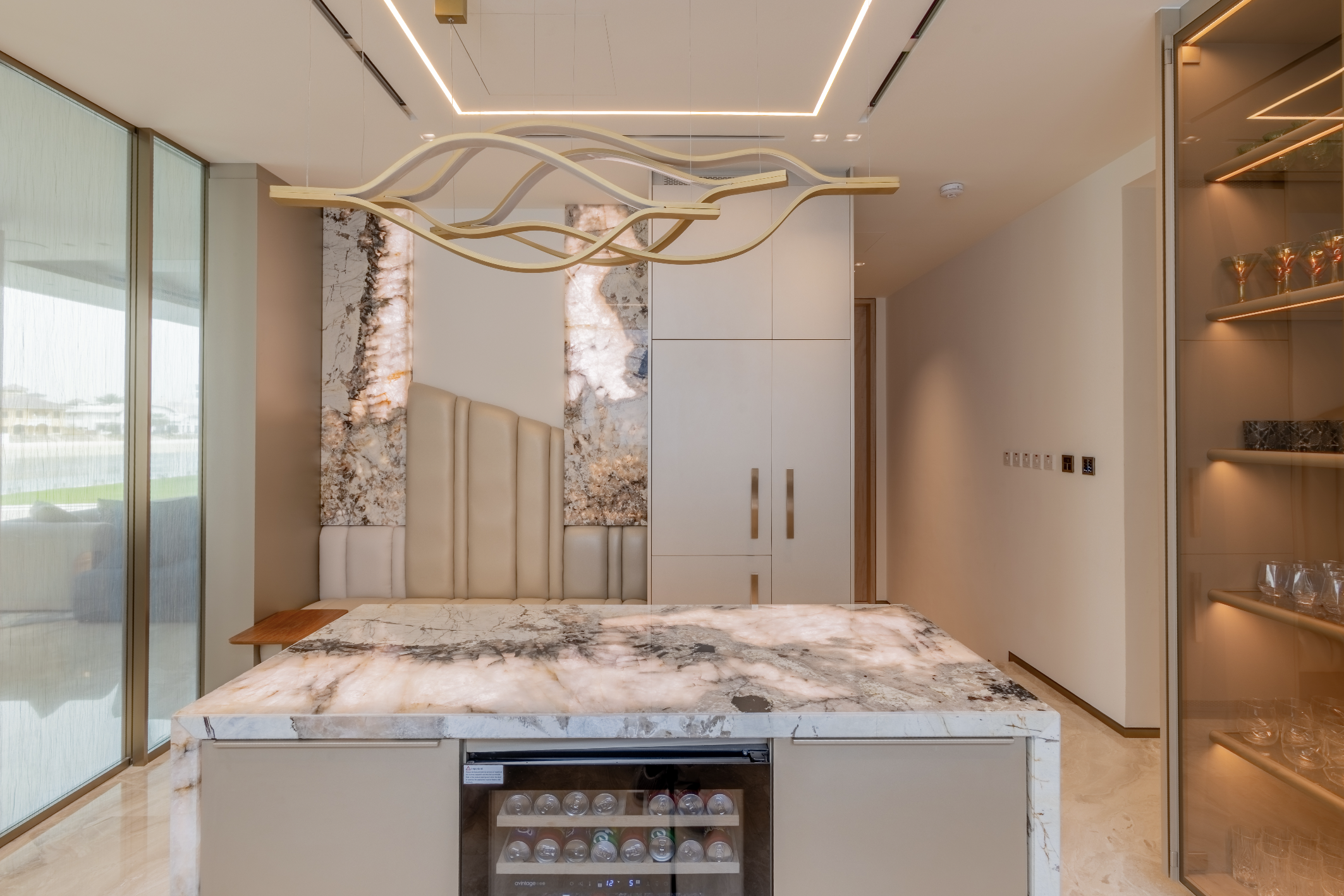
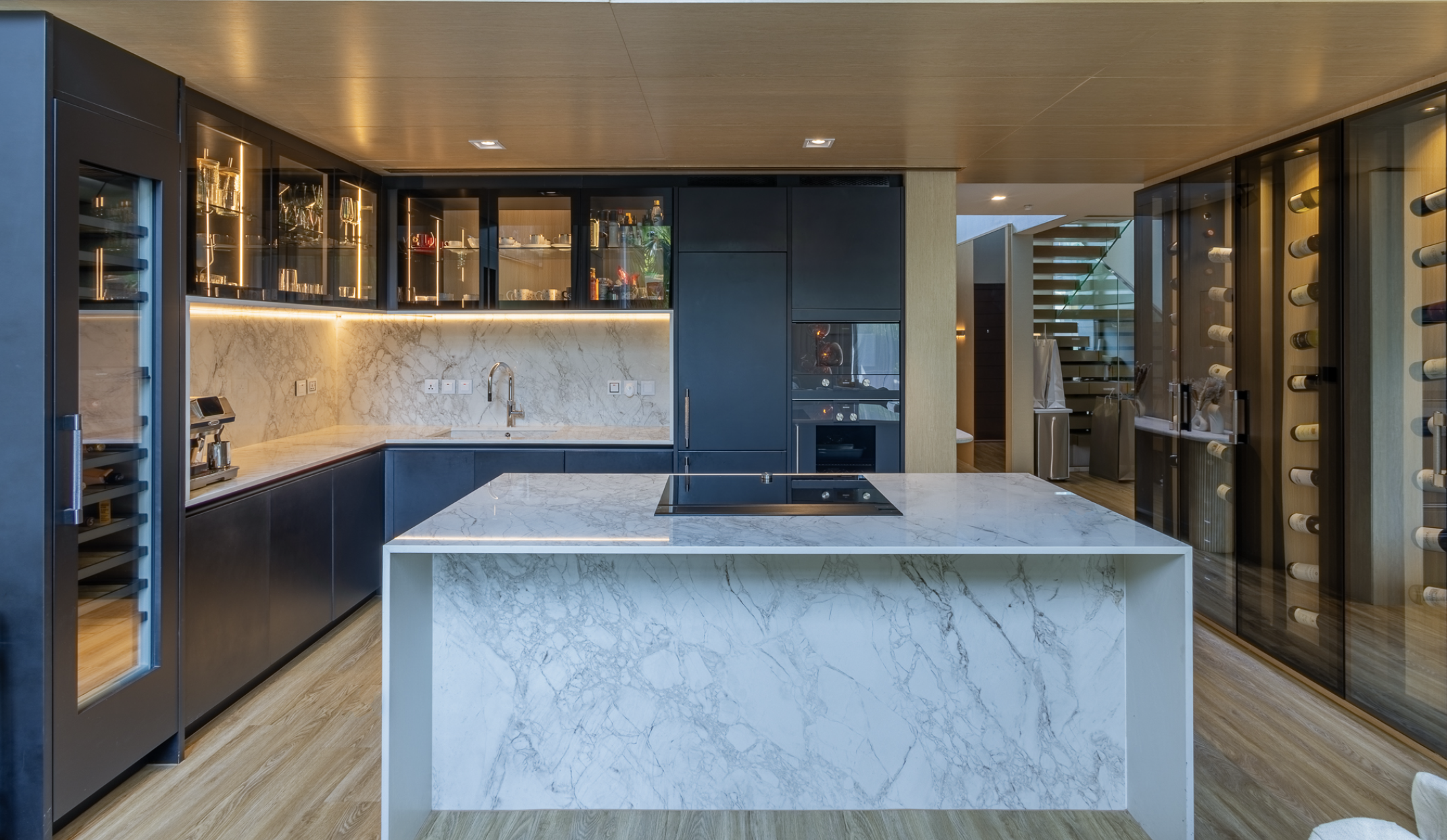
Imagine a kitchen island that looks beautiful but leaves too little room to open the dishwasher and move behind it comfortably. Making it smaller might affect the cabinetry, stone, electrical connections and flooring. Several people may need to return to site, and each piece of work has to happen in the right order.
The original mistake might have been a dimension on a drawing. The consequences are now spread across the room.
This is what I wish more people understood before starting a renovation: the cost of a decision includes everything that depends on it.
A wardrobe ordered before ceiling details are resolved. A stone slab fabricated before final measurements. Lighting placed without considering where the cabinetry doors will open.
Individually, these can sound like small coordination issues. Once materials have been cut and work completed, they become expensive conversations.
There is also the cost that never appears neatly on a quotation.
Time away from work. Another site visit. Delayed move-in plans. Living around unfinished work.
Having to explain the same issue to several different people while everyone waits for someone else to act.
Of course, changes happen. Clients develop new preferences, and existing properties can reveal conditions nobody could fully inspect beforehand. A project needs room for that.
But avoidable rework deserves a different level of attention.
Before approving something, ask what the approval actually covers. Are the dimensions confirmed? Are the materials and finishes clearly identified? Have appliances, sockets, plumbing and surrounding details been coordinated? Who checks that everything works together?
A beautiful presentation helps you understand the intention. Detailed drawings, physical samples and proper coordination help turn that intention into something you can live with.
I would always rather spend more time resolving a question on paper than ask a client to live through the answer being corrected on site.
Before your next renovation, ask yourself: which decisions need specialist attention now, while changing them is still relatively simple?
S.